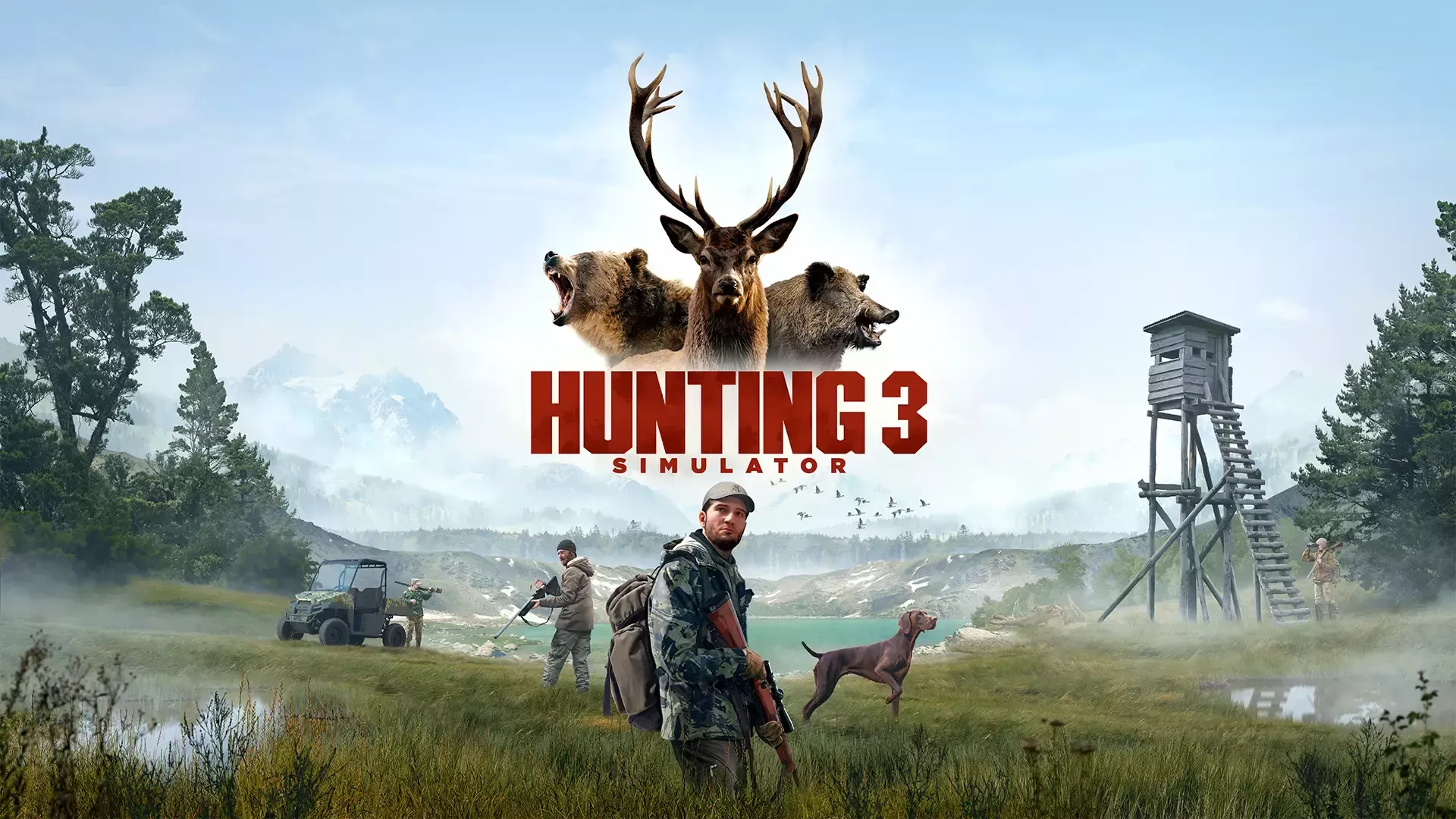
Becoming a skilled, respected tracker doesn't happen by chance. In Hunting Simulator 3, nature doesn't forgive mistakes. Every harvest takes patience, careful observation and, above all, a perfect knowledge of your equipment.
Whether you're taking your first steps in the woods or looking to sharpen your technique, this guide is here to help you make the difference in the field and bring home exceptional trophies to decorate your hunting lodge. Grab your binoculars, adjust your backpack and follow the guide!
Step 1: Choose the right equipment (and follow the rules!)
Before you even load your weapon, choosing the right caliber and gear is crucial. Shooting an animal with an unsuitable firearm means risking spoiled venison and a ruined trophy.
- The pump-action shotgun (12 or 20 gauge): your best ally for small game and waterfowl. If you're tracking mallard or hare, this is the ideal weapon.
- The rifle (.243 Win or larger): it delivers the stopping power you need for a clean harvest of big game such as the formidable black bear or the majestic white-tailed deer.
- Bows and crossbows: perfect for an ultra-quiet approach. They let you hunt different kinds of game, but be careful: you'll need to master the art of the stalk and get considerably closer to your target to hit the mark.
Pro tip: always check the recommended caliber icons for each species in the game menus before you head out!
The Ranger's reminder: no permit, no glory!
Don't get caught out: remember to buy your hunting permits on the computer in your hunting lodge before you harvest an animal. If you shoot a species without a valid license, your trophy won't be certified and you'll come home empty-handed.
Need to refill the coffers?
If your finances are in the red and that new high-end rifle is out of reach, don't panic. Pay a visit to the Ranger, the butcher or the sport shooter in the area. They'll have plenty of contracts and side missions to fill your wallet fast.
Step 2: Take your time, tracking is an art
Hunting in Hunting Simulator 3 isn't a frantic shooter. Here, rushing is your worst enemy.
To find your game, you need to learn to read your surroundings:
- Spot the clues: study the tracks on the ground and listen carefully to the sounds around you.
- Watch the wind: follow the trail while always keeping an eye on the wind direction with your GPS. Hunting into the wind is the surest way to alert animals hundreds of meters around and send them running before you've even shouldered your weapon.
- Team up with your dog: your faithful four-legged companion is essential for sniffing out a difficult trail, while your binoculars let you identify your target precisely from a distance.
Tracker's tip: mark the game's resting and feeding areas on your map so you can come back later. Animals have their own daily routines! And if you struggle to spot footprints on the ground at first, adjust the visibility of tracking clues in the game options.
Step 3: Aim true and go for a clean shot
A good hunter respects the game. Never shoot "into the bunch," and avoid uncertain head-on shots at all costs. They can wound an animal without stopping it cleanly.
Rather than aiming for the head, always target the vital organs (the lungs, the heart, the liver). That's the guarantee of a clean harvest, a maximum hunting score and the best possible rewards for your lodge.
Need to warm up before the big stalk? Stop by the shooting ranges at the hunting club to sharpen your accuracy and adjust your aim.